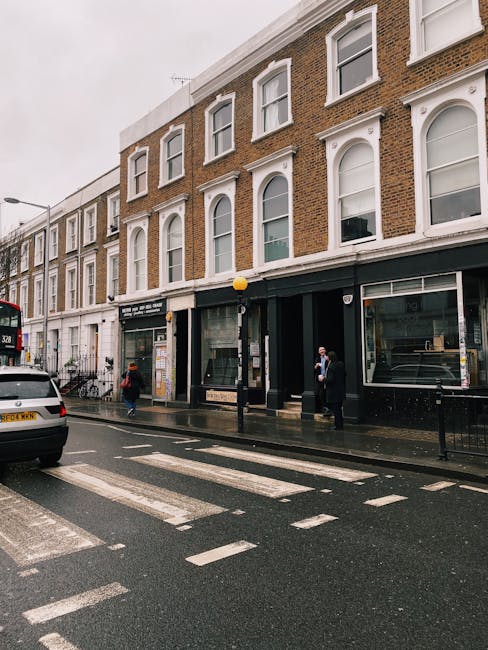
West Kensington office removals North End Road business guide
Posted on 14/06/2026
West Kensington Office Removals North End Road Business Guide
If you are planning West Kensington office removals on North End Road, you are probably juggling more than just boxes and desks. There is timing to think about, staff to brief, equipment to protect, and the small but annoying details that can turn a tidy move into a long day. To be fair, that is usually where the stress lives: not in the big headline tasks, but in the thousand little ones.
This guide walks through the practical side of relocating a business in West Kensington, with a focus on North End Road and the kinds of access, scheduling, packing, and service choices that matter most. You will find a clear process, common pitfalls, a comparison of moving options, and a straightforward checklist you can actually use. If you want a broader overview of local moving support while you plan, it also helps to browse the full removals services overview and the dedicated office removals in West Kensington page for service specifics.
North End Road has its own rhythm. Some buildings are straightforward. Others, frankly, feel designed to test your patience. So the aim here is not just to say "book a van and go," but to help you make the move feel controlled, calm, and properly planned.

Why West Kensington office removals North End Road business guide Matters
A business move is not just a transport job. It affects productivity, client service, data security, staff confidence, and often your cash flow for that week. In a busy part of London, those pressures are amplified by traffic, parking constraints, narrow windows for loading, and the simple fact that everyone else is trying to get somewhere too.
North End Road is especially unforgiving if you leave planning too late. Office removals here often need a local approach because timing and access matter just as much as vehicle size. A good move plan reduces downtime, lowers the chance of damage, and helps you keep your team working with minimal disruption. That is the real reason this guide matters: it helps you protect the business, not just the furniture.
There is also a trust angle. When you know what to ask, what to book, and what to confirm in advance, you are much less likely to be caught off guard by hidden costs or service gaps. If you have ever felt that sinking moment of "we should have checked that earlier," you will know exactly what I mean.
Expert summary: The best office removals are the ones that look boring on the day. No last-minute chaos, no missing cables, no mystery fees, no "where did the printer go?" moments. That calm outcome comes from careful preparation.
How West Kensington office removals North End Road business guide Works
Most office moves in this area follow a fairly predictable pattern, even if every business has its own quirks. The process usually starts with an assessment of what is being moved, where it is going, and how much access the building allows. From there, the move can be broken into packing, dismantling, loading, transport, unloading, and setup.
For many small and medium businesses, a service such as man and van in West Kensington or a dedicated removal van can be enough. For larger or more equipment-heavy offices, a fuller removal services solution is often better because it can include packing help, protective materials, and a team sized for the job.
Here is the practical flow most businesses should expect:
- Site review and inventory - list desks, chairs, monitors, filing, storage, and any special items.
- Access planning - check entry points, stairs, lifts, loading space, and parking conditions.
- Packing and labelling - keep departments and equipment grouped logically.
- Disassembly where needed - desks, shelving, and modular furniture often need to come apart.
- Transport - move items in the right sequence to avoid bottlenecks.
- Delivery and placement - place items in the correct rooms or work zones.
- Final checks - confirm nothing is missing, damaged, or left behind.
That may sound simple. In reality, the quality comes from the detail. A labelled box is helpful; a labelled box with floor, team, and priority clearly noted is much better. A van booked "some time in the morning" is not the same as a clear arrival window and a plan for traffic near North End Road. Small difference, big impact.
Key Benefits and Practical Advantages
A well-run office removal gives you more than a change of address. It can make the business feel organised at a time when everything else feels a little upside down. Here are the main benefits worth aiming for.
- Less downtime: good planning means people can get back to work sooner.
- Lower damage risk: proper packing and handling reduce breakages and scratches.
- Better staff experience: a calm move is easier on everyone, including the person who somehow becomes the unofficial moving coordinator.
- Cleaner inventory control: you know what moved, where it went, and whether it arrived intact.
- Better use of space: a move is a chance to rethink how your office works.
- Reduced stress: when the plan is clear, the move feels manageable rather than chaotic.
There is also a hidden advantage: a move can reveal what your business actually needs. That old filing cabinet that nobody uses? The extra storage cupboard full of obsolete stationery? Moves have a funny way of exposing clutter. A bit annoying, yes, but useful.
If your move involves furniture that is bulky or awkward, it may be worth reviewing furniture removals in West Kensington so you can separate delicate transport needs from general office items. That is especially relevant if your office has fitted storage, conference tables, or heavy workstations.
Who This Is For and When It Makes Sense
This guide is for business owners, office managers, operations leads, landlords, and anyone who has been handed the joyful task of "sorting the move." It is especially useful if you are relocating from or within North End Road and need to keep disruption low.
It makes sense if you are:
- moving a small office, studio, or consultancy
- relocating a retail back office or admin room
- upgrading to a larger workspace
- downsizing and need a leaner setup
- combining teams after a restructure
- moving equipment between premises
- setting up a temporary office during refurbishment
It also makes sense if your timetable is tight. For example, if a lease end is looming or your current space has a hard handover date, you may need a faster option. In those cases, reading about same-day removals in West Kensington can help you understand what a rapid move can and cannot do well. Not every office can be moved in a rush, but some can - if the preparation is already solid.
If you are an owner-operator or running a very small business, you may only need a van and a few hours of help. If you are managing a fuller relocation, the decision usually shifts toward a more structured provider and a proper packing plan. Different job, different shape.
Step-by-Step Guidance
Here is a practical way to approach the move without losing your mind. Or at least without losing too much of it.
1. Start with a full inventory
List everything that will be moved. Do not rely on memory. Memory is charming, but not especially reliable when it comes to cables, spare monitors, or the box full of old client files in the cupboard.
Group items by category:
- desks and chairs
- IT equipment
- paper files
- marketing materials
- kitchen or breakroom items
- specialist equipment
- storage units and shelving
2. Decide what is worth moving
A move is the perfect time to declutter. If a printer barely works or a filing cabinet is mostly empty, ask whether it deserves the trip. Sometimes replacing rather than moving is the smarter option. Less freight, less lifting, fewer "where should we put this again?" moments.
3. Check building access early
North End Road can be straightforward in parts and awkward in others, especially if your building is tucked behind a busy frontage or has limited waiting space. Check doors, lifts, stair widths, security procedures, and any loading restrictions. If you do not know the exact access setup, ask the building manager before you commit to a vehicle size.
4. Create a packing system
Label by room, team, and priority. For office equipment, label power leads and peripherals together. A monitor without its cable is just an expensive ornament until the missing part turns up. Use sturdy materials and don't overfill boxes with paper; they get very heavy, very fast.
For supplies and boxes, the dedicated packing and boxes service is useful if you want the move handled with proper materials rather than whatever cardboard happened to be available in the office kitchen.
5. Schedule the move around business hours
Most businesses benefit from moving outside peak operating times. Early morning, evening, or weekend slots are common if client service needs to continue uninterrupted. The best schedule is the one that protects revenue and staff workflow, not just the one that looks convenient on paper.
6. Protect IT and sensitive materials
Back up data, secure passwords, and make sure key devices are handled properly. If you have confidential documents, keep them separate from general items and limit who can access them. It is not dramatic to say this: office moves are one of the easiest times for a file to be misplaced. Not lost forever, usually. Just misplaced enough to ruin your afternoon.
7. Move in the right order
Start with items you do not need immediately, then move core equipment, and leave the last-hour essentials until near the end. A small "day one" kit helps a lot: chargers, kettle supplies, basic stationery, access cards, cleaning wipes, and the all-important scissors that always seem to disappear.
8. Finish with checks and sign-off
Once everything is delivered, check the inventory, inspect furniture and electronics, and confirm the layout is usable. This is also the moment to spot minor issues before everyone disperses and the office falls into that weird half-unpacked state for three days.
Expert Tips for Better Results
There are a few details that consistently make office removals smoother in West Kensington, and especially around busy roads like North End Road.
- Book parking strategy first: do not leave loading arrangements until the end.
- Use colour-coding: a coloured label on each department saves a lot of wandering.
- Keep critical items separate: laptops, documents, keys, chargers, and client files should travel with a named person if possible.
- Take photos before dismantling: useful for cable routing, furniture parts, and reinstatement at the new site.
- Build in buffer time: even good moves get slowed by traffic, lift delays, or a missing access code.
- Confirm insurance and handling standards: peace of mind matters when you are moving business assets.
One small but useful habit: make one person responsible for final decisions on the day. Too many cooks, as they say. Office moves can go sideways when three people answer the same question differently.
If the move is part of a larger business change, it can also help to think about storage. Temporary holding space can take pressure off the timeline and reduce clutter in the new office. A local storage option in West Kensington can be useful if not everything is ready to go in one hit.
Common Mistakes to Avoid
Most move problems come from a handful of avoidable errors. The good news? They are predictable.
- Underestimating access issues: a van is useless if it cannot stop close enough to load safely.
- Skipping an inventory: you cannot move what you have not listed, at least not confidently.
- Poor labelling: unlabeled boxes create a post-move mess that lasts for days.
- Forgetting IT priorities: the office can look moved while still being unable to work.
- Ignoring staff communication: people need to know what to pack, when to stop using equipment, and where to report on the day.
- Choosing only on price: the cheapest option is not always the cheapest by the end.
- Not confirming the quote properly: hidden extras can creep in if scope is vague. If you want to avoid that, the guide on hidden fees in West Kensington removals is well worth a look.
Another easy mistake is treating the move like a household relocation. Office removals are different. They are more about continuity, inventory, and keeping people operational. That difference matters.
Tools, Resources and Recommendations
You do not need fancy software to manage a small office move, but a few practical tools help enormously.
- Inventory spreadsheet: keep track of items, locations, and condition notes.
- Room-by-room labels: simple labels are better than vague descriptions.
- Cable ties and zip bags: essential for keeping parts together.
- Protective wraps and covers: useful for monitors, screens, and polished furniture.
- Floor plans: even a rough sketch helps on arrival day.
- Move coordinator checklist: one person should own the process from start to finish.
For businesses that need a more hands-on moving team, you might compare a standard man with a van in West Kensington with a broader removal company in West Kensington. The first is often ideal for lighter, smaller jobs. The second makes more sense when the move includes planning, packing help, and multiple rooms of equipment.
If your business needs urgent timing, it can also help to read more on what to know about same-day removals in West Kensington. Even if you do not book that route, it helps to understand the constraints.
Law, Compliance, Standards, or Best Practice
For office removals, there is no need to overcomplicate the compliance side, but you should still treat it seriously. Businesses in the UK have to think about health and safety, data handling, safe lifting, and fair working practices. If you are moving sensitive files, customer information, or devices containing confidential data, keep access controlled and document who is responsible for them.
Risk management also matters. Heavy lifting, awkward stairs, and tight corridors can lead to avoidable accidents if the team is not briefed. A reputable mover should have sensible handling procedures and a clear approach to protecting staff and property. If you want to understand the provider's approach to safety, it is sensible to review the insurance and safety information and the health and safety policy.
Best practice also includes transparency around pricing, terms, and what is included in the service. That is especially important if your move involves timing pressure or extra handling. The clearer the scope, the fewer misunderstandings later. Simple, but often overlooked.
For businesses with sustainability goals, it is reasonable to ask how unwanted items are reused, recycled, or disposed of. Responsible handling of unwanted office furniture is not just tidy; it reflects well on the business. The site's recycling and sustainability approach is a useful reference if you are trying to reduce waste.
Options, Methods, or Comparison Table
Choosing the right moving method depends on how much you are moving, how quickly you need it done, and how much help you want with packing and setup. Here is a simple comparison.
| Option | Best For | Strengths | Limitations |
|---|---|---|---|
| Man and van | Small offices, light equipment, short-distance moves | Flexible, often cost-effective, good for straightforward jobs | Less ideal for larger teams or complex packing needs |
| Dedicated office removal service | Medium to larger offices, multi-room moves, structured relocations | More support, better planning, suitable for bulky furniture | Usually more involved to arrange |
| Van-only transport | Businesses that have already packed and dismantled everything | Efficient if preparation is done well | High reliance on your own team for loading and handling |
| Move with temporary storage | Staged relocations or refurbishment gaps | Reduces pressure, helps with phased setup | Requires extra planning and time |
There is no one-size-fits-all answer. A small consultancy with six desks and laptops may need very little. A growing company with filing, shelving, and server equipment will usually need a much more structured plan. The right choice is the one that matches the real job, not the one that sounds neat in a quote email.
For some businesses, especially those with a mix of home-working staff and a smaller shared office, a page like man and a van in West Kensington may be the right starting point. For more complex arrangements, the broader removals in West Kensington page gives a wider view of what can be arranged.
Case Study or Real-World Example
Imagine a small design agency based near North End Road. They have eight desks, two large shelving units, a printer, a handful of file boxes, and various monitors, laptops, and branded display items. They need to move on a Friday evening so staff can work in the new space on Monday morning.
The first instinct might be to book a van and hope for the best. But that would create avoidable friction. Instead, the agency splits the move into three parts: sensitive IT and files, desk furniture, and presentation materials. Staff label their own desk items, the manager confirms access with the building contact, and the move team knows which items must go into which rooms at the new site.
The result is not glamorous. That is the point. The boxes arrive in the right order. Nothing is dumped in the wrong room. The printer is reconnected first, the team checks monitors and cables, and the office is usable on Monday without a scramble. You can almost feel the relief in the room - that quiet, practical relief that comes when a move has been handled properly.
If a business had tried to do the same move without a plan, the Monday start could easily have been delayed by missing leads, mixed-up boxes, or furniture blocking the wrong corridor. It sounds minor until you are the one standing there at 8:15 a.m. with a half-built desk and a missing power strip.
Practical Checklist
Use this checklist as a working pre-move sheet. It is deliberately practical, not fancy.
- Confirm moving date and time window
- Check building access, lifts, stairs, and parking
- Create a full inventory of furniture, IT, and files
- Decide what will be moved, recycled, or stored
- Back up data and secure confidential material
- Label boxes by room, team, and priority
- Prepare a day-one essentials box
- Protect fragile equipment and screens
- Brief staff on packing deadlines and responsibilities
- Confirm insurance, scope, and any extra charges
- Inspect items on arrival and note anything missing or damaged
- Set up essential workstations first
Quick reminder: if your move includes furniture, bulky items, or pieces that need care, it is worth pairing this checklist with a dedicated office removals service in West Kensington rather than trying to improvise everything on the day.
Conclusion
A successful office move on North End Road is less about brute force and more about sequence, clarity, and good judgment. Get the inventory right, plan access early, choose the right level of service, and make sure the essentials are protected. Do that, and the move becomes a controlled project rather than a disruption you simply endure.
West Kensington can be a busy place to move through, but that does not mean the process has to be messy. In fact, with the right preparation, it can be surprisingly smooth. Not perfect, maybe. Real life rarely is. But smooth enough to keep business moving, and that is what matters.
Get a free quote today and see how much you can save.
If you are ready to take the next step, the most sensible move is to review the available pricing and quote information and then speak directly with the team through the contact page. A short conversation now can save a surprisingly long headache later.